
sandblasted glass suppliers
Understanding the Cost of Pressure Control Valves Pressure control valves are essential components in various industries, ensuring the safe and efficient operation of systems by regulating pressure levels. These valves find applications in manufacturing, oil and gas, water treatment, and many other sectors. As these systems are critical for maintaining operational integrity, understanding the pricing of pressure control valves becomes crucial for businesses looking to optimize their expenditures without compromising quality. The price of pressure control valves can vary significantly based on a variety of factors, including design, size, materials, and application. Generally, standard pressure control valves can range anywhere from $50 to several thousand dollars. For instance, a simple brass valve designed for low-pressure applications may fall on the lower end of the price spectrum, while specialized valves made from high-grade materials to withstand extreme conditions can be quite expensive. Understanding the Cost of Pressure Control Valves Additionally, the size and specifications of the valve play a critical role in determining its cost. Larger valves that can handle higher flow rates or operate at elevated pressures typically command higher prices. Custom-designed valves tailored to specific applications may also lead to increased costs, as specialized manufacturing processes and materials would be required. pressure control valve price Another factor influencing the price is the brand and the technology used. Established manufacturers often offer higher prices due to their reputation for quality, reliability, and aftermarket support. Innovative features such as electronic controls, advanced sealing technologies, and integrated monitoring systems can further drive up the price but may enhance efficiency and reduce operational costs over time. When considering the price of pressure control valves, it's essential to factor in the long-term benefits and potential savings. Investing in high-quality valves can lead to reduced maintenance costs and enhanced reliability, which is critical for operations that cannot afford downtime. Moreover, choosing the correct valve for the application ensures optimal performance, which can lead to energy savings and decreased operational costs. For companies purchasing pressure control valves, conducting thorough research and comparing options from different suppliers will help identify the best fit for their needs. It may be beneficial to seek expert advice to understand the specific requirements of the application, as this can help avoid overspending on unnecessarily high-end products or facing issues with incorrect specifications. In conclusion, the price of pressure control valves can vary widely based on several factors, including material, size, specifications, brand reputation, and advanced features. Businesses should carefully evaluate their needs and consider both upfront costs and long-term savings to make informed purchasing decisions. Quality valves are an investment in reliability and efficiency, essential for the smooth operation of any industrial process.
about
sandblasted glass suppliers
Control Valves and Their Types Control valves are essential components in various industrial processes, serving as the regulatory mechanism that controls fluid flow, pressure, temperature, and other parameters in a system. These valves are the backbone of process control, enabling plants to operate efficiently and safely. Understanding the different types of control valves and their functions can significantly enhance process performance and reliability. What is a Control Valve? At its core, a control valve is a device that regulates the flow of fluid by varying the size of the flow passage. It receives signals from a controller (usually based on measurements from sensors) and adjusts the valve position accordingly to maintain the desired operating conditions. Control valves can handle fluids in various states, including gases, liquids, and slurries. Types of Control Valves 1. Globe Valves Globe valves are one of the most widely used types of control valves. They consist of a spherical body with an internal baffle that directs the fluid flow. The flow capacity is easily controlled due to their tight sealing and adjustable flow characteristics. Globe valves are ideal for applications requiring throttling and precise flow control. 2. Ball Valves Featuring a spherical disc (the ball), ball valves offer quick operation and are excellent for on/off control. Their sealing capability allows for minimal leakage, making them suitable for applications requiring high pressure and temperature. While they are less effective at throttling compared to globe valves, newer designs with modified ports can offer better control. control valve and its types 3. Butterfly Valves Butterfly valves consist of a rotating disc that allows for easy regulation of flow. They are lightweight and compact, making them suitable for large pipes where space is a concern. Butterfly valves are often used in applications requiring quick shut-off and moderate throttling capabilities. They are commonly found in water and wastewater treatment facilities. 4. Diaphragm Valves Diaphragm valves utilize a flexible diaphragm to control flow. This design isolates the fluid from the valve's internal components, making them ideal for corrosive or hygienic applications. Diaphragm valves are commonly used in the pharmaceutical and food industries, where cleanliness and precise flow control are crucial. 5. Check Valves While not traditional control valves, check valves play an essential role in preventing backflow in piping systems. They automatically close when fluid attempts to flow backward, protecting pumps and other equipment from damage. There are various designs of check valves, including swing check, lift check, and ball check valves. 6. Pressure Relief Valves These valves are critical for safety in pressurized systems. Pressure relief valves automatically vent excess pressure when it exceeds a predetermined threshold, preventing catastrophic failures. They are essential in systems where pressure buildup could pose a risk to equipment and personnel. Conclusion Control valves are a vital part of industrial processes, ensuring optimal performance and safety across various applications. Understanding the different types of control valves—globe, ball, butterfly, diaphragm, check, and pressure relief valves—allows engineers and operators to select the appropriate devices for their specific needs. Each type has unique advantages and potential applications, and careful consideration should be given to their selection, installation, and maintenance. In conclusion, the choice of control valve can significantly impact the efficiency and safety of an industrial process. By leveraging the appropriate type and understanding their operational characteristics, facilities can enhance process control and ensure the longevity of their equipment. As industries evolve, the development of advanced control valves continues to play a crucial role in meeting the increasing demands for reliability, efficiency, and safety.
-

High quality industrial productsagement

High quality industrial products
View Details -

Meet the diverse needs of customers

Meet the diverse needs of customers
View Details -

Strict quality control

Strict quality control
View Details -

Top raw materials

Top raw materials
View Details -

Trusted supplier

Trusted supplier
View Details
Our application


news and information
Vannvalver
Typer Vannventiler Vannventiler er avgjørende komponenter i både husholdninger og industriell infras
vedenpaineventtiili
Vesipaineventtiili Teho, Toiminta ja Käyttökohteet Vesipaineventtiili on olennainen osa monia vesijä
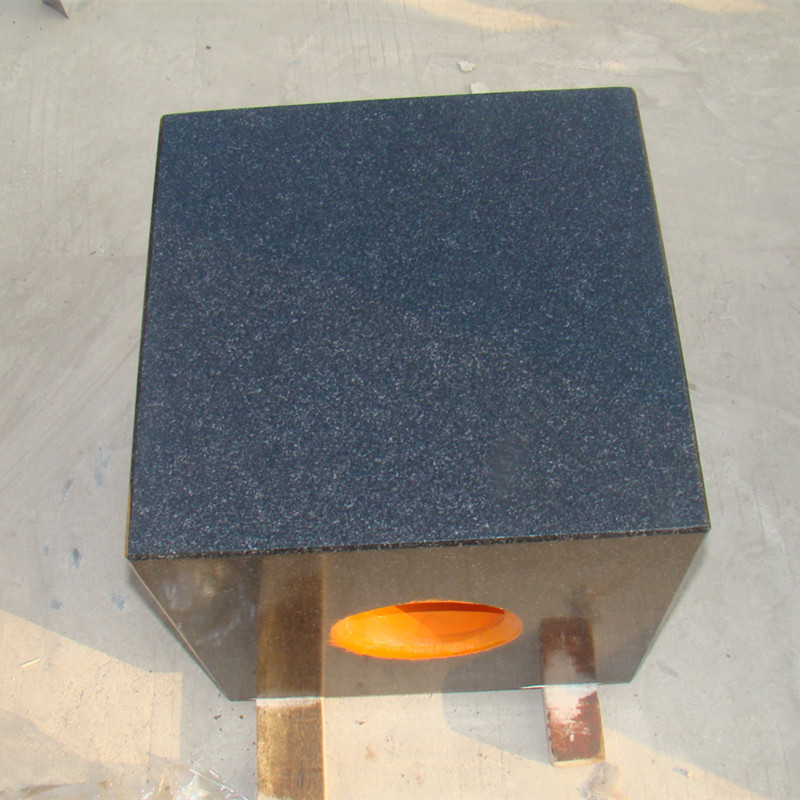
Versatile 3x6 Fabrication Table Designed for Welding Projects and Metalworking Applications
The Versatility and Importance of a 3x6 Welding Table Welding is a critical skill in various industr
 English